The Great Sugar Bargain Scam: Why 'Three Bites and You're Done' Never Worked on Anyone
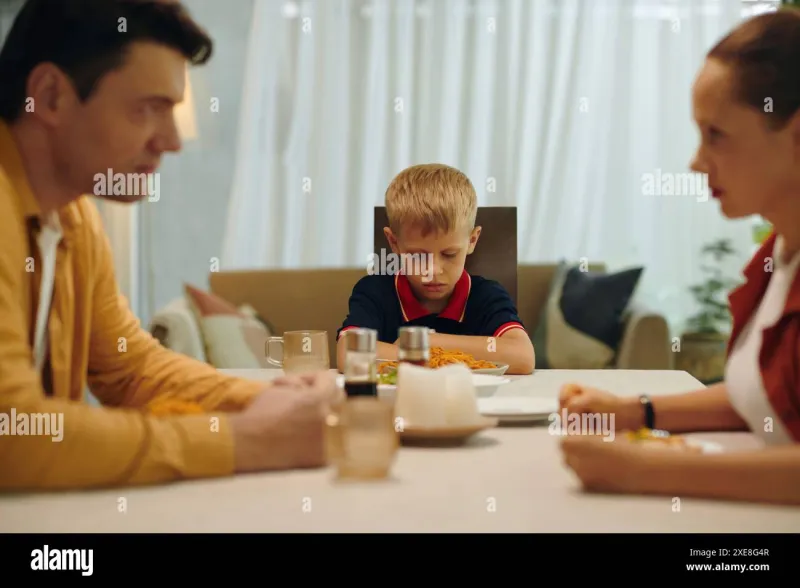
Photo: child negotiating dessert at dinner table parent kitchen candid, via c8.alamy.com
Every parent in America has made the deal. You know the one. It happens in the fourth minute of a restaurant meltdown, somewhere between the bread basket and the kids' menu crayons, and it sounds like this: "Fine. Three bites of broccoli, and you can have dessert."
The three-bite rule. The finish-your-dinner clause. The one-candy-per-day treaty. These are the sacred bargains of American parenthood, passed down like casserole recipes and slightly wrong folk wisdom about going out with wet hair.
Here at Sugar Rush, we're pro-candy. Obviously. It's the whole brand. But we're also pro-honesty, so we did some digging — and it turns out the sugar bargain is less a parenting strategy and more a magic trick where everyone loses.
The Deal That Makes Dessert the Boss
Dr. Priya Raman, a pediatric dentist in Columbus, Ohio, hears about these bargains constantly. Her take? "When dessert becomes the reward, dinner becomes the obstacle. You've just told your kid that the meatloaf is the bad guy and the ice cream is the hero. That's backwards."
We asked a child psychologist, Dr. Marcus Webb, to translate. His diagnosis: "It's classic incentive structure, and it backfires in two ways. First, kids learn that sweets have more value than regular food — you had to earn them, after all. Second, they learn that rules are negotiable, which means every future rule becomes a negotiation. Congratulations, you've raised a tiny lawyer."
Sound familiar? It should. The three-bite rule doesn't teach moderation. It teaches that moderation is a starting price in an auction.
Confessions from the Waiting Room
We spent an afternoon in a pediatric dentist's waiting room in suburban Atlanta — with permission, and with a bag of gummy bears we were told to put away — and asked parents about their sugar bargains.
The results were not flattering.
- "We do the three-bite rule, but my daughter counts her bites in teaspoon-sized amounts. Technically, she's never broken the rule. She's also never eaten a full serving of anything green." — Dana, mom of two
- "I said one piece of Halloween candy a day. By November 4th, she'd figured out the pantry lock. The lock we installed for the candy. She's seven." — Marcus, dad of one
- "We told our son dessert requires a finished dinner. So now he eats four bites of dinner at 5 PM and negotiates until bedtime. Dinner takes ninety minutes. I've aged a decade." — Rachel, mom of three
Every single parent said some version of the same thing: the deal worked for about a week. Then the kids found the loophole, because kids are tiny contract attorneys with no bar exam and unlimited energy.
What the Dentists Actually Want You to Do
Here's the twist: neither dentist we spoke to was anti-candy. Dr. Raman was refreshingly blunt about it. "Sugar-free everything, forbidding candy outright — that usually creates kids who raid birthday parties like raccoons in a dumpster. I'd rather a kid enjoy a chocolate bar after lunch and brush their teeth than graze on fruit snacks all afternoon. Constant sipping and snacking on sugar is worse for teeth than a single dessert. Timing matters more than people think."
Dr. Kevin Osei, a family dentist in Phoenix, agreed and added a practical tip: "Dessert with a meal is genuinely better for teeth than dessert alone. Saliva production is up, and it helps clear sugar off the enamel. So the kid who eats cookies right after dinner is doing better than the kid who saves them for a 9 PM solo snack in front of the TV."
Read that again: the dentist is pro dessert-with-dinner. Just not as a bribe.
The 'Better-For-You' Candy Hustle
Then there's the other side of the aisle: candy brands that noticed parents feeling guilty and got very, very helpful about it.
Walk down any US candy aisle and you'll spot them — gummies "made with real fruit," chocolates touting protein counts, lollipops sweetened with sugar substitutes, vitamin-fortified chews that are legally candy and spiritually a negotiation. Some of these are fine. Some are just regular candy wearing a yoga outfit.
Our advice, for what it's worth: read the label, not the front of the package. "Made with real fruit" can mean a fruit snack with a gram of purée and a lot of corn syrup. "No high-fructose corn syrup" doesn't mean no sugar. And the vitamin gummies? They're candy. Your kid knows it. The bottle saying otherwise is for you.
Does any of it matter? Dr. Webb's answer: "A 'healthier' candy still teaches the same lesson if it's used as a reward. The packaging changed. The bargain didn't."
So What Actually Works?
Neither dentist recommended a candy ban, and the psychologist definitely didn't recommend making dessert the prize. The consensus looked something like this:
- Serve dessert as part of the meal sometimes. Not as a trophy. Just as a course. It loses its mystique fast.
- Let kids self-regulate. Put the dessert on the table and let them decide when to eat it. Dr. Webb admits this one feels wild the first ten times.
- Stop narrating. "You can't have candy until you eat your chicken" becomes "here's dinner" — and dessert stops being contraband.
- Pick your battles at the dentist, not the table. Twice-a-year checkups, actual brushing habits, and water instead of juice do more heavy lifting than any bite-counting system.
The Verdict from Your Friends at Sugar Rush
We're a dessert site, so you know where our hearts are: candy isn't the enemy, and neither is fun. The three-bite rule fails not because parents are bad negotiators but because the whole framework is rigged — it makes sweets precious, forbidden, and worth fighting for.
The radical move isn't more rules. It's less drama. Serve the brownie with the spaghetti. Watch your kid eat the brownie first, shrug, and eventually eat some spaghetti. Enjoy your ninety minutes back.
And if all else fails? Well — there's always the pantry lock. For about four days, anyway.


