Brownies, Lies, and $9 Rice Krispie Treats: I Went Undercover in the School Bake Sale Economy
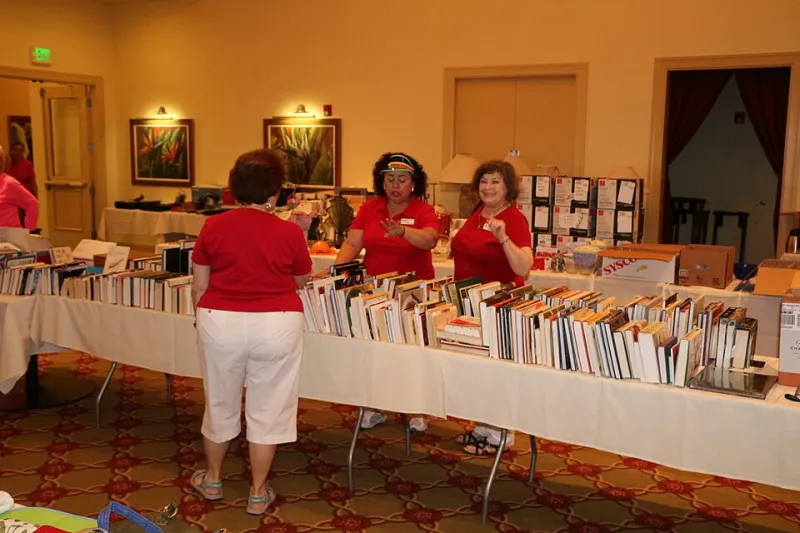
Photo: Isles Yacht Club, CC BY 2.0, via Wikimedia Commons
Let me tell you about the moment I realized the school bake sale had changed forever.
I was standing in a elementary school gymnasium that smelled like vanilla and ambition, watching a woman named Kari arrange what could only be described as a dessert boutique. Ribbon-tied cellophane bags. Hand-lettered kraft paper tags. A chalkboard sign that read "ARTISAN BROWNIES — SEA SALTED." Behind her, a laminated QR code led to an Instagram account for her home bakery, which has 4,200 followers.
Her brownies were three dollars. Each.
Twenty feet away, a retired grandpa named Walt sold foil-wrapped chocolate chip cookies from a Tupperware for fifty cents and quietly out-earned everyone in the room by 10:45 a.m.
Both of them are winning. Neither of them will admit how.
Welcome to the Bake Sale Industrial Complex
If you haven't been to a school fundraiser lately, buckle up. The humble bake sale — that wholesome tradition of selling slightly burnt cookies for a good cause — has quietly become a proving ground for competitive parent bakers across America.
"People think it's cute," Kari told me while straightening a display of individually wrapped lemon bars. "It is not cute. It is a market. There are leaders and there are followers, and there are people who bring Rice Krispie treats in a Ziploc bag and learn nothing from the experience."
The arms race is real, and it has multiple fronts: packaging, presentation, pricing, and — the most cutthroat element of all — placement. The end of the table near the door is prime real estate. The middle of the table, where distracted eight-year-olds drag their parents past, is basically a food desert.
The Economics of a Nine-Dollar Rice Krispie Treat
Here's where things get genuinely wild. I spoke with Denise, a PTA treasurer in suburban Ohio who has been tracking bake sale revenue in a spreadsheet for six years. She has opinions and, more importantly, data.
"The biggest misconception is that fancy equals profitable," she told me. "Kari's brownies? Beautiful. But her ingredient costs are real — good chocolate is not cheap, and the labor is insane. Meanwhile, the Rice Krispie treats sell out in twenty minutes at a 600% margin."
According to Denise's spreadsheet — which she shared with me and which I will be framing — the top earners per pan, in order:
- Rice Krispie treats — pennies per unit, universally loved, sells to every age group
- Chocolate chip cookies — Walt's foil-wrap method somehow makes them taste better
- Puppy chow / muddy buddies — sold by the bag, impossible to price wrong
- Chocolate-dipped pretzel rods — looks fancy, costs nothing, kids feel like they're buying a scepter
- Brownies — the prestige play, high price point, lower margin
"The pretzel rods are the grift of the century," Denise said, with genuine admiration. "You dip a pretzel in melted chocolate and people pay two dollars. I'm not saying don't do it. I'm saying know what you're doing."
The Parent Who Loses on Purpose
Not everyone is playing to win. I tracked down Marcus, a dad of two in Georgia who has developed a reputation as the bake sale's most reliable underperformer.
"I bring slightly ugly cookies on purpose," he confessed over the phone, sounding like a man unburdened. "Nothing wrong with them — they taste great. But they're lopsided, and I never package them nicely. If I brought my A-game, I'd be expected to bring my A-game forever, and buddy, I do not have that in me."
Marcus calls it "strategic mediocrity." His wife calls it "the only honest thing at the bake sale." His kids call his cookies "the good ones," which, honestly, might mean he's winning after all.
The Church Basement League
Just when I thought I understood the landscape, I attended a church bake sale in Minnesota that operates on an entirely different level. No pricing games, no QR codes. Instead: a pie auction.
A PIE. AUCTION.
A man bid forty dollars for a rhubarb pie. The rhubarb was donated by a woman in the third pew. The entire event raised more than the school gymnasium event did in a full day, and the average transaction took ninety seconds.
"The auction adds stakes," the organizer explained. "Nobody's buying pie for forty dollars. They're buying the story of the pie they bought for forty dollars."
Somewhere, a marketing professor is taking notes.
Your Cheat Sheet: The Most Profitable Pan in the Game
If you're heading into bake sale season and want maximum return on minimum effort, here's the Sugar Rush consensus formula:
- Make Rice Krispie treats. Three ingredients, twenty minutes, sells itself.
- Cut them big. Nobody has ever complained a Rice Krispie treat was too large.
- Wrap individually in clear bags — this alone doubles perceived value. Add ribbon if you're feeling spicy.
- Price at $2. It's the magic number: impulse-purchase territory, but respectable.
- Position near the door, next to whatever the kids are dragging their parents toward.
- Make one batch of something fancy for the parents who want to feel sophisticated. Chocolate sea salt anything works.
Follow this and you'll walk out having cleared real money for a good cause — with enough left over to buy one of Walt's fifty-cent cookies, which, between us, are the best thing at every sale he attends.
The bake sale arms race isn't slowing down. Kari told me she's "exploring a loyalty program." Denise's spreadsheet now has a tab for "ambient temperature impact on frosting stability." The bar has been raised, and it is frosted.
All I know is this: the brownies sparked the war, but the Rice Krispie treats won it. And somewhere out there, a kid is paying two dollars for a chocolate-dipped pretzel rod, feeling like royalty, and that — that right there — is what America is all about.